Key Takeaways
Becoming a personal trainer in the UK requires specific qualifications and strategic planning. Here's what you need to know to launch your fitness career successfully:
- Level 3 qualification is mandatory – You must complete a Level 2 Gym Instructor Certificate followed by a Level 3 Personal Trainer Diploma to work legally as a PT in the UK.
- Choose CIMSPA-endorsed training providers – Selecting accredited courses ensures your qualification meets professional standards recognised by UK employers.
- Self-employment dominates the industry – Around 62% of personal trainers work self-employed, offering flexibility but requiring you to manage your own tax, insurance, and marketing.
- CPD is an ongoing requirement – CIMSPA members must complete 10 CPD points annually to maintain professional status and insurance eligibility.
- Marketing yourself is essential – Building a client base requires consistent social media presence, referral schemes, and specialising in specific niches to stand out in a competitive market.
The journey from qualification to established PT typically takes 3-6 months for training, with course costs ranging between £1,000-£3,000. Success depends not just on certification, but on your ability to market effectively, maintain professional development, and choose the right employment path for your circumstances. Want to know how to become a personal trainer in the UK? Here's something interesting: 70% of personal trainer job adverts are hiring for part-time positions. This provides flexibility that few careers can match.
You might want to escape the 9-to-5 grind or turn your fitness passion into a profession. Understanding personal trainer qualifications is your first step. The process involves completing personal trainer courses and getting the right certifications. You'll also need to decide between employment paths.
We'll walk you through what qualifications you need to be a personal trainer in this piece. This covers everything from Level 2 foundations to Level 3 certification. We'll also cover personal trainer training options and registration requirements. You'll learn practical steps to launch your PT career.
What Does a Personal Trainer Do?
Daily Responsibilities and Tasks
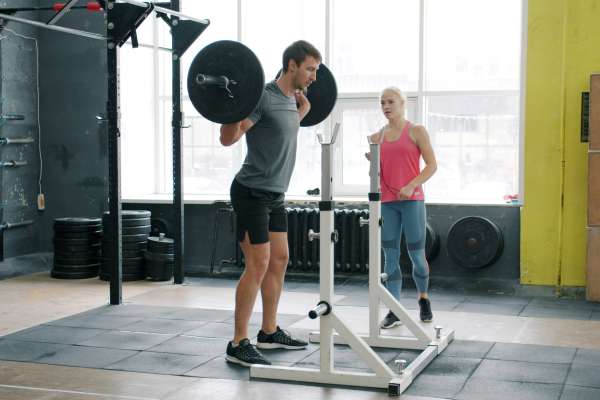
Personal trainers assess clients' fitness levels, create tailored exercise programmes, and deliver one-to-one sessions that last 40-60 minutes. You'll demonstrate exercises during these sessions, check form, count reps and sets, and provide motivation throughout the workout.
Your role involves conducting fitness assessments to establish baseline fitness levels and identify any limitations beyond training sessions. You'll help clients set both short and long-term fitness goals, then design progressive programmes to achieve them. Monitoring progress is ongoing—measuring heart rate, tracking body fat levels, and adjusting programmes based on results and feedback.
Nutrition forms part of the job, though your scope is specific. You can give general healthy eating advice and lifestyle recommendations. You cannot prescribe specific meal plans or nutrition programmes. Many clients will ask for dietary guidance, so understanding your boundaries here matters.
Administrative tasks consume more time than you might expect. Promoting your services, managing bookings, recording client progress, and handling consent forms all fall under your remit. Maintaining an online presence through social media does too. You may also conduct inductions, lead group classes, monitor the gym floor, and clean equipment if you work for a gym.
Working Environment and Hours
Your workplace varies. You might train clients at fitness centres, in their homes, outdoors, or online. Full-time personal trainers in gyms work 35 to 45 hours per week. Direct training time with clients is closer to 25-30 hours weekly, though. You'll spend remaining hours on client prep, scheduling, and admin tasks.
Working hours rarely follow a standard pattern. You'll need flexibility to accommodate clients who work regular office hours. Early mornings, evenings, and weekends become your busiest periods. Many gym-based trainers work split shifts—starting early, taking a midday break, then returning for evening sessions.
Skills Required for Success
Success requires strong communication abilities to listen to clients' goals and provide clear instructions. Patience and empathy prove vital when working with individuals at varying fitness levels, especially when you have clients who feel intimidated by training.
You'll need motivational skills to keep clients committed. Tailor your approach to each person—some respond to gentle encouragement whilst others prefer a more direct style. Adaptability allows you to stay current with industry developments and adjust training methods based on client feedback.
Knowing how to set goals helps you create SMART objectives (Specific, Measurable, Achievable, Relevant and Time-Bound) that motivate clients and provide clear progression plans. Problem-solving skills enable you to help clients overcome setbacks and adapt routines when challenges arise.
Business and marketing skills become essential to promote services, attract clients, and manage finances for self-employed trainers.
Personal Trainer Qualifications You Need
You must hold a Level 3 Personal Trainer qualification to work as a personal trainer in the UK. This is non-negotiable. But reaching that point requires completing a Level 2 certificate first, getting emergency medical certifications and securing appropriate insurance cover.
Level 2 Gym Instructor Certificate
The Level 2 Certificate in Gym Instructing serves as your entry point into the fitness industry. This qualification teaches you to plan, deliver and assess safe gym sessions, but it does not permit you to provide one-to-one personal training or design personalised programmes. You'll study five core units that cover anatomy and physiology, health and safety, and planning gym-based exercise. Course duration is 5 days plus one assessment day. Costs are around £595. You'll earn 10 CIMSPA CPD points and can progress to Level 3 training.
Level 3 Personal Trainer Qualification
The Level 3 Diploma in Personal Training is the minimum requirement to work as a PT. This qualification builds on your Level 2 knowledge and covers advanced anatomy, nutrition and bespoke programme design. You'll learn to conduct postural analysis, create corrective programmes and train clients with medical conditions. Most providers offer combined Level 2 and Level 3 courses in one package. This allows you to qualify faster without separate enrollments.
First Aid and CPR Certification
You must hold a current before working as a personal trainer. The Level 3 Emergency First Aid at Work qualification is taught according to Resuscitation Council UK's standards and regulated by Ofqual. This certification remains valid for three years, after which you must renew it. Gyms and health clubs require this qualification before employment: CPR and AED certification.
Personal Trainer Insurance Requirements
Public liability and professional indemnity insurance protect you against injury claims and allegations of poor advice. Employers' liability insurance becomes a legal requirement if you employ staff. Many gyms require proof of insurance before allowing you to work on their premises.
How to Get Qualified as a Personal Trainer
Choosing a CIMSPA-Endorsed Training Provider
Selecting a ensures your qualification meets professional standards recognised by over 165 employer partners in the UK. CIMSPA endorsement provides quality assurance through strong evaluation of qualifications, training content and delivery methods. You can verify a provider's status through the CIMSPA Training Provider Partners directory rather than accepting marketing claims at face value. CIMSPA-endorsed training provider.
Study Options: Online, In-Person, or Hybrid
Online personal trainer courses offer flexibility to study around existing commitments and typically cost less due to lower overheads. In-person courses provide structured classroom learning with practical gym experience but require travel and accommodation expenses. Hybrid formats combine online theory with face-to-face practical workshops. You can balance flexibility with hands-on training.
Course Duration and Costs
Most learners complete personal trainer courses within , though some intensive programmes finish in as little as 8 weeks. Course fees range between £1,000 and £2,000, with full diploma packages costing up to £3,000. You'll face ongoing costs including annual insurance premiums and professional body membership fees: 3-6 months.
Registering with Professional Bodies
CIMSPA membership demonstrates your commitment to professional standards and provides access to career development support. You'll join over 17,000 sector professionals and gain professional status that employers and clients recognise. Specialist insurance options through UK Coaching are available.
Starting Your Personal Training Career
Hired vs Self-Employed: Which Path to Choose
Approximately 62% of personal trainers work self-employed. Major gym chains favour this model. Hired positions provide guaranteed salaries, paid annual leave and employer-provided insurance. These benefits make them suitable if you prefer financial stability while you develop skills. Self-employed trainers control their rates and schedules but handle their own tax returns, insurance and marketing.
Building Your Client Base
A social media presence is non-negotiable to attract clients. Referral schemes generate high-trust clients with minimal cost. You offer existing clients incentives like discounted sessions for successful referrals. Free trial sessions build credibility and create reciprocity. Specialisation in niches such as post-natal fitness or diabetic weight management helps you stand out.
Marketing Yourself
Define your target audience and unique selling points before you launch marketing efforts. Google Business Profile increases local visibility for searches like "personal trainer near me". Consistency matters more than complexity at the start.
Continuing Professional Development
Endorsed CPD can be, for example, technical qualifications and workshops that CIMSPA quality-assures. Non-endorsed covers employer-led training. Your membership and insurance eligibility are at risk if you fail to meet requirements. CIMSPA members must complete 10 CPD points annually.
Consider Personal Trainer Insurance Before Working With Clients
Whilst personal trainer insurance is not generally a legal requirement in the UK, it is a factor to consider before working with clients. Many gyms, leisure centres and other venues may require proof of insurance before allowing a personal trainer to work on their premises and Employers’ Liability insurance is usually a legal requirement if a personal training business employs staff.
Personal trainers who operate from a gym may still need to arrange their own insurance, particularly if they are self-employed or pay rent to use the facilities. A gym’s insurance may only cover the premises and its employees, rather than independent trainers or their clients. Check the agreement with the gym and review any insurance documents carefully to understand what is covered and whether a separate policy is required.
What situations would insurance be useful for?
Different working environments can create different risks. A client could be injured while exercising in a gym, trip over equipment during a group class or allege that a training programme caused them harm. Mobile trainers could accidentally damage property in a client’s home, while equipment could be lost, stolen or damaged when travelling between sessions. Outdoor trainers may also encounter members of the public or need permission to use certain spaces.
Insure4Sport offers specialist personal trainer insurance, with Public Liability cover available up to £10 million and Professional Indemnity cover up to £5 million when selected. Policies can cover eligible one-to-one sessions, group classes and coaching delivered in gyms, clients’ homes, outdoor spaces or online. Cover for personal accidents, loss of earnings and training equipment can also be selected.
Conclusion
Right now, you have everything you need to start your personal training path. The process is straightforward: complete your through a CIMSPA-endorsed provider, secure your insurance and decide whether employment or self-employment suits you best. Level 3 qualification.
Building your client base takes time and consistency, especially when you have marketing efforts to manage. Focus on establishing your credibility first. Then expand your services. Keep up with CPD requirements and your PT career will grow. Your fitness passion can become your profession.
FAQs
Q1. What qualifications do I need to work as a personal trainer in the UK? You need a Level 3 Personal Trainer qualification to work legally as a PT in the UK. Before this, you must complete a Level 2 Gym Instructor Certificate. You'll also need current CPR and AED certification (Level 3 Emergency First Aid at Work), plus public liability and professional indemnity insurance.
Q2. How much does it cost to become a personal trainer? Personal trainer course fees typically range between £1,000 and £2,000, with full diploma packages costing up to £3,000. Additionally, you'll need to budget for ongoing costs including annual insurance premiums and professional body membership fees.
Q3. Do I need CIMSPA membership to work as a personal trainer? CIMSPA membership is recommended to work as a PT as many gyms (particularly chains like David Lloyd and Nuffield Health) often require it. What you absolutely need is your Level 3 qualification and appropriate insurance. CIMSPA membership demonstrates professional commitment and provides access to career development support.
Q4. Should I choose an online or in-person personal trainer course? Online courses offer flexibility to study around existing commitments and typically cost less, whilst in-person courses provide structured classroom learning with practical gym experience. Hybrid formats combine online theory with face-to-face practical workshops, balancing flexibility with hands-on training. Most learners complete their qualification within 3-6 months regardless of format.
Q5. Is it better to be employed or self-employed as a personal trainer? Approximately 62% of personal trainers work self-employed. Employed positions offer guaranteed salaries, paid annual leave, and employer-provided insurance, making them suitable for financial stability whilst developing skills. Self-employed trainers control their rates and schedules but handle their own tax returns, insurance, and marketing.